Compare historic baseball collections
Revealing America's Legacy at the National Ballpark Museum
The National Ballpark Museum offers a unique view into America's baseball legacy. Through its collection of memorabilia and exhibits, visitors can discover the sport's evolution alongside societal shifts. Legendary uniforms and rare photographs tell stories of icons and their impact on the game. As families interact with interactive exhibits, they discover how baseball remains intertwined with American culture. What insights might this museum unveil about the tomorrow of the sport?
The Substantial Narrative of Baseball in America
Baseball, traditionally called America's national sport, has a distinguished heritage that is woven into the social landscape of the nation. Taking shape in the nineteenth century, the sport achieved rapid popularity, displaying the cultural dynamics and distinctive identities of the period. The development of established competitive organizations transformed baseball into a mainstay of American entertainment, with the National League forming in 1876 and the American National Ballpark Museum weather League following in 1901.
Major events, such as the incorporation of baseball in 1947 with Jackie Robinson, signified significant cultural shifts, challenging social norms and furthering civil rights. The game has also observed legendary figures, from Babe Ruth to Hank Aaron, whose contributions resonate beyond the diamond. Historic ballparks have held countless unforgettable moments, fostering a collective experience for fans. Overall, baseball serves as a mirror of American history, encapsulating triumphs, struggles, and the enduring spirit of a nation united by its devotion for the game.
Memorable Baseball Treasures You Shouldn't Bypass
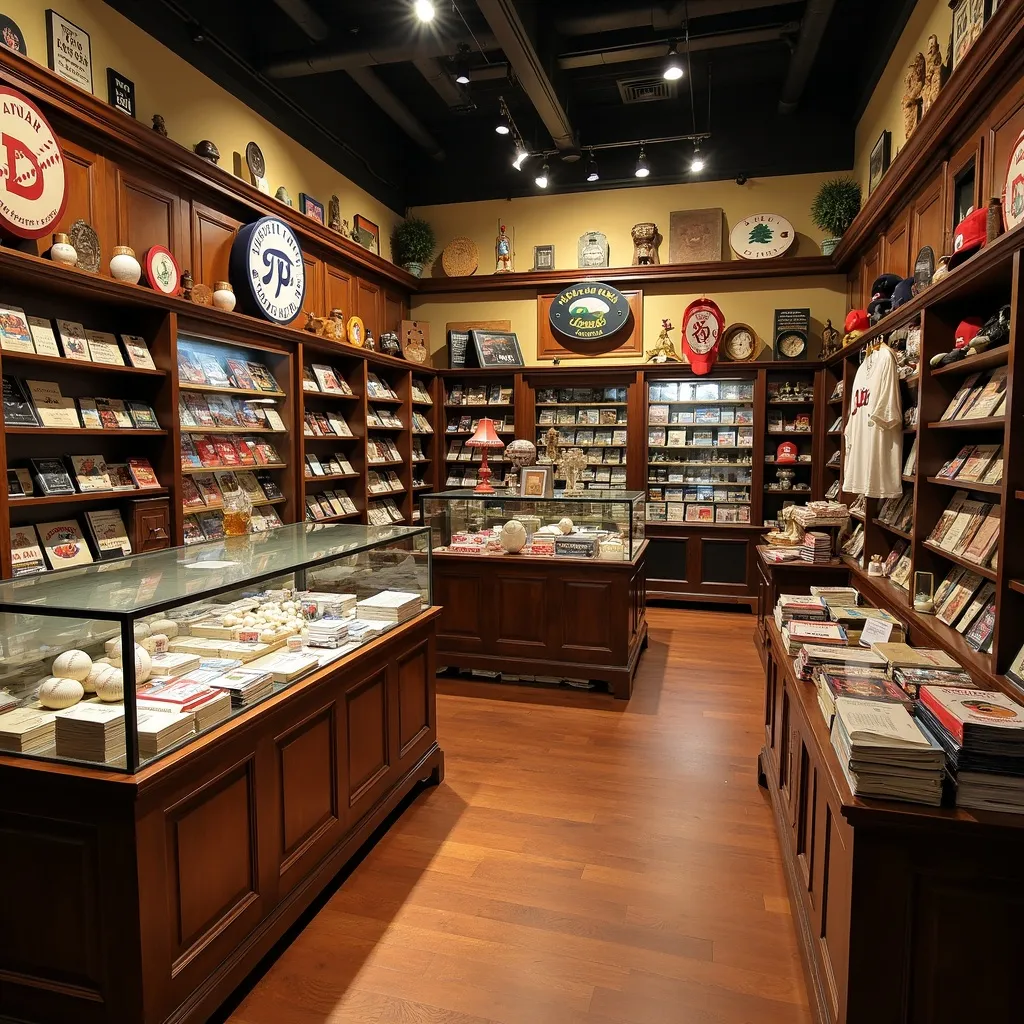
While impressions of legendary games and historic moments endure in the minds of fans, iconic baseball memorabilia operates as physical ties to the sport's rich heritage. The National Ballpark Museum stores an impressive collection, featuring items that capture the nature of baseball's past. Visitors can admire at classic garments used by Hall of Famers, each thread telling a story of accomplishment and fortitude. Signed spheres, preserved in glass cases, offer windows into personal connections between players and fans, while scarce prints eternalize pivotal moments in baseball history.
Among the key attractions are title symbols, representing the height of success, and vintage tickets that carry visitors back to remarkable contests. Each object prompts thought and appreciation for the sport's evolution. This meticulously assembled collection not only presents the game's milestones but also generates wistful feelings, informing visitors of the persistent tradition of America's pastime.
Discover the Legends: How the Museum Celebrates Baseball Icons
Recognition of baseball legends permeates the atmosphere of the National Ballpark Museum, where guests are invited to discover the lives and accomplishments of the sport's most iconic figures. The museum features engaging exhibits that highlight the careers of baseball stars, delivering artifacts, photographs, and interactive displays that bring their stories to vivid detail. Each section is meticulously curated to reflect the unique contributions of players such as Babe Ruth, Jackie Robinson, and Hank Aaron, showcasing their impact both on and off the field.
The museum also presents special events and guest speakers, enabling fans to hear firsthand accounts and insights from former players and historians. This dedication to honoring baseball icons enhances a deep connection between visitors and the legends who fashioned the game. Through its immersive environment, the National Ballpark Museum ensures that the legacy of these players continues to inspire future generations of baseball enthusiasts.
Discover How Baseball Stadiums Have Evolved
Over the decades, baseball's stadiums have evolved substantially to meet the evolving needs of fans and players alike. Traditional ballparks were straightforward, with wooden bleachers and minimal amenities, chiefly intended for the game itself. As the sport grew in popularity, however, stadiums began to integrate additional features, such as better seating, concessions, and restrooms, improving the overall experience.
The implementation of advanced innovations resulted in impressive development, including digital scoreboards and refined sound quality. Aesthetically, stadiums progressed from the regular, structured forms to increasingly individualized, visitor-focused blueprints, crafting interactive spaces that reflect local culture. The surge in corporate investments also influenced architecture, with exclusive suites and luxury seating becoming standard practice. Today, stadiums operate as diverse venues, presenting shows and entertainment outside of baseball, underlining their adaptability and relevance to American society. This progression illustrates not simply a sport, but a energetic civic center.
Family-Welcoming-Events at the National Ballpark Museum
The National Ballpark Museum provides a variety of family-friendly attractions that honor the storied history of baseball and its legendary stadiums. Families can enjoy interactive exhibits that invite children to interact with the sport's history through interactive demonstrations. A scavenger hunt throughout the museum encourages young visitors to explore artifacts and discover information regarding famous athletes and historic moments.
Furthermore, the museum presents educational workshops where children can refine their baseball skills, learn the science of the game, and participate in storytelling sessions about famous teams and their achievements. Notable occasions, such as family days, often include guest speakers from the baseball community, adding a personal touch to the experience. With its dynamic atmosphere and diverse offerings, the National Ballpark Museum promotes a love for baseball, making it an ideal place for families looking to enjoy time together over America's favorite pastime.
Plan Your Trip to the National Ballpark Museum
Thinking about how to maximize a visit to the National Ballpark Museum? Guests are encouraged to review the museum's official website for current hours and admission fees before planning their visit. Located in Denver, Colorado, the museum is conveniently accessible via public transportation and offers adjacent parking options. It is recommended to dedicate at least two hours to explore the extensive exhibits, which feature baseball history and memorabilia.
For individuals looking for a curated visit, the museum provides informative tours that delve deeper into the artifacts. Families can enjoy engaging exhibits, making it a remarkable experience for all ages. Additionally, guests should think about planning their visit time to match with exclusive occasions or new collections for an better experience. Finally, the museum shop sells special mementos for fans to take home, ensuring that the visit leaves a lasting impression.
Regularly Answered Questions
What Time Is the Museum Open?
The museum is available from 10 AM to 5 PM, Tuesday through Sunday. It stays closed on Mondays, enabling staff to care for displays and prepare for the next day's attendees keen to explore its features.
Is There an Entry Charge for the Museum?
The museum necessitates a conservative admission fee for entry. Patrons can discover a rich collection of historical exhibits and artifacts, enhancing their insight of the sport's impact on American culture and history.
Can you join escorted tours at the Museum?
Available guided excursions at the museum give guests an thorough visit. Expert guides present observations and anecdotes about the collections, deepening the knowledge of baseball history and its cultural significance.
May I Buy Souvenirs at the Museum?
At the gallery, souvenirs are sold for purchase. Visitors can find a variety of memorabilia, including garments, items, and themed items, giving them the chance to take home a piece of their journey.
Are Museum Facilities Wheelchair Accessible?
The museum offers wheelchair accessibility, ensuring that all attendees can traverse its collections without difficulty. Ramps and marked walkways are available, fostering equal access and allowing everyone to savor the rich history on display within its walls.